
Direct-answer verdict: what specs does an HTPC need for Indian living rooms?
For a good HTPC in India, prioritise a compact mini‑ITX or small micro‑ATX case, quiet cooling, and a CPU with a strong iGPU or a low‑profile GPU that supports modern HDMI video and audio formats. Pair this with at least 16 GB RAM, a fast NVMe SSD for OS and apps, and optional larger HDD/SSD storage for offline media. This setup handles 4K streaming, local media playback, light gaming and even basic media server duties in a typical Indian living room.
What specs does a good HTPC actually need?
An HTPC is less about raw gaming power and more about smooth playback, low noise and compact form factor.
CPU and graphics
-
CPU with strong iGPU: Modern APUs from AMD or Intel with good media engines can handle 4K decoding, streaming apps and light gaming without a discrete GPU.
-
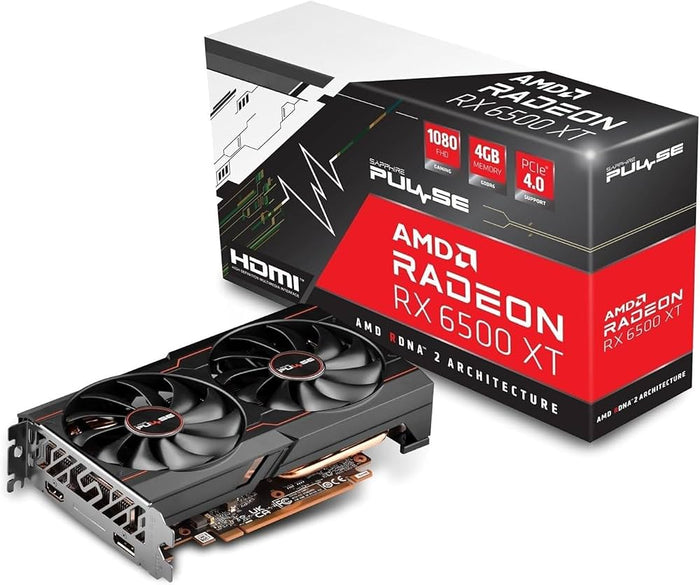
Discrete GPU option: If you want more gaming headroom or specific codec support, a low‑profile or compact GPU with HDMI 2.1 and modern codec support is ideal.
-
Core count: 4–6 cores are usually enough for streaming, media playback and background tasks; 6–8 cores help if you also run a media server or light productivity.
Memory, storage and connectivity
-
RAM: 16 GB is a comfortable baseline for multitasking with browsers, streaming apps and media servers; 8 GB can work for very basic setups.
-
Storage: A 512 GB–1 TB NVMe SSD for OS and apps, plus optional 2–4 TB HDD/SSD for offline movies, shows and game libraries.
-
Connectivity: Ensure enough USB ports for remote, keyboard, IR receiver or Bluetooth dongle, and reliable Wi‑Fi or Ethernet for streaming.
Focus on smooth 4K playback, low fan noise and a small footprint rather than peak FPS.
Compact case and cooling: what fits best in a living room?
In a living room, noise and size matter more than in a gaming den or office.
Case size
-
Mini‑ITX: Best for truly compact HTPCs that can sit on a media console or shelf; limits expansion but is ideal for streaming and light use.
-
Small micro‑ATX: Slightly larger, more flexible for extra storage or a low‑profile GPU, still manageable in most living rooms.
-
Form and finish: Matte black or simple designs blend better with AV equipment than flashy RGB gaming cases.
Cooling and noise
-
Quiet fans: Use quality, larger fans that can spin slowly while moving enough air; avoid small, high‑RPM fans that whine.
-
Airflow path: Ensure clear intake and exhaust, especially if the HTPC is in an enclosed cabinet.
-
Thermal targets: Aim for idle and light‑load noise levels that are unnoticeable during movie playback or music.
A quiet, compact build is more important than squeezing in extra hardware you don’t actually need.
HDMI, audio and display: what connections matter for HTPC?
Your HTPC must integrate cleanly with your TV, sound system and possibly projector.
Video output
-
HDMI version: Use a motherboard or GPU with HDMI 2.0/2.1 support for 4K at 60 Hz or higher, HDR and modern colour spaces.
-
HDR and colour: Ensure your GPU/CPU and TV support matching HDR standards (HDR10, Dolby Vision where applicable) for best picture.
-
Cable quality: Use good‑quality HDMI cables rated for your target resolution and refresh rate to avoid handshake or bandwidth issues.
Audio
-
HDMI audio: Most HTPCs send audio over HDMI to the TV or AV receiver; confirm support for formats like Dolby Digital, DTS or passthrough as needed.
-
Optical/USB audio: If you have an older receiver or DAC, check for optical out or USB audio support on the motherboard.
-
Bluetooth: Useful for wireless headphones or speakers in late‑night viewing scenarios.
Match your HTPC’s output capabilities to your TV/receiver to avoid bottlenecks in picture or sound quality.
Use cases: streaming, media server and light gaming
An HTPC can do more than just play videos; it can be the hub of your living room entertainment.
Streaming and apps
-
OTT platforms: Browsers and apps for major Indian and global streaming services run smoothly on a modest HTPC.
-
Local media: Playback of downloaded or ripped content via media players gives more control over quality and subtitles than many smart TVs.
-
Casting and screen share: An HTPC can act as a receiver for casting from phones or laptops, useful for photos, videos and presentations.
Media server
-
Plex/Jellyfin: A sufficiently powerful HTPC can double as a media server, streaming content to other devices in the house.
-
Transcoding: If you plan to transcode on the fly, choose a CPU/GPU combo with good hardware encoding support.
-
Storage: Add larger drives for your media library and configure automated backups for important files.
Light gaming
-
Casual and indie titles: An HTPC with a strong iGPU or entry‑level GPU can handle indie games, older AAA titles and emulator gaming at living‑room‑friendly resolutions.
-
Controller support: Connect Bluetooth or USB controllers for couch gaming sessions.
-
Expectations: Don’t expect maxed‑out AAA performance; treat gaming as a secondary benefit, not the primary goal.
This multi‑use approach justifies the HTPC over a basic streaming stick or box.
Budget tiers: basic vs enthusiast HTPC builds
Different living room needs justify different spend levels.
Basic streaming and media HTPC
-
CPU: Modern 4–6 core APU with strong iGPU and media engine.
-
GPU: Integrated graphics only.
-
RAM: 8–16 GB.
-
Storage: 512 GB–1 TB NVMe SSD; optional external HDD for media.
-
Case: Compact mini‑ITX or small micro‑ATX with quiet fans.
-
Best for: 4K streaming, local media playback, light browsing and basic apps.
Enthusiast HTPC with light gaming and server duties
-
CPU: 6–8 core modern CPU or higher‑end APU.
-
GPU: Low‑profile or compact GPU with HDMI 2.1 and good codec support.
-
RAM: 16–32 GB.
-
Storage: 1–2 TB NVMe SSD + 4–8 TB HDD/SSD for media library.
-
Case: Premium compact case with excellent acoustics and airflow.
-
Best for: 4K HDR playback, media server with transcoding, indie/older AAA gaming, heavier multitasking.
Use these tiers to decide how much to invest based on your actual living room usage.
HTPC build priorities: quick reference
FAQ
Q: What specs does a good HTPC need?
A good HTPC needs a compact case, quiet cooling, a CPU with strong iGPU or a low‑profile GPU with HDMI 2.1, at least 16 GB RAM and a fast NVMe SSD for OS and apps. Add larger HDD/SSD storage if you plan to keep a local media library or run a media server.
Q: Can an HTPC also be used for light gaming?
Yes, an HTPC with a strong iGPU or entry‑level discrete GPU can handle indie games, older AAA titles and emulator gaming at living‑room‑friendly resolutions. Don’t expect high‑end AAA performance; treat gaming as a secondary use case alongside streaming and media playback.
Q: What case size is best for a living room PC?
Mini‑ITX cases are best for truly compact, low‑noise HTPCs that fit easily on media consoles; small micro‑ATX cases offer more flexibility while still being living‑room friendly. Choose a simple, non‑RGB design that blends with your TV and audio equipment.
Plan your compact layout using our Mini‑ITX post (Hardware Deep-Dives batch), then decide between strong iGPU vs low‑profile GPU with help from our APU/iGPU posts to build the right HTPC for your Indian living room.