
What PC Build for Emulation Requirements Should You Target?
A suitable PC build for emulation depends on the console generation you want to emulate. Retro consoles such as NES, SNES, Mega Drive, Game Boy, PlayStation and Nintendo 64 need only modest hardware. Newer systems such as PlayStation 2, GameCube, Wii, Xbox 360 and PlayStation 3 require a stronger multi-core CPU, more RAM and, in some cases, a dedicated GPU.
For most users, the best all-round emulation PC should have a modern 6-core processor, 16GB RAM, an SSD and a graphics card with enough performance for the resolution and enhancements you plan to use. Emulation is usually more CPU-dependent than GPU-dependent, but demanding upscaling, texture packs and modern emulators can increase the graphics requirement.
What Hardware Is Needed for Retro Console Emulation?
Retro console emulation is relatively easy to run because older systems have simple hardware compared with modern PCs. A basic desktop or laptop with an entry-level processor and integrated graphics can handle many classic consoles without difficulty.
The exact requirement depends on the emulator, operating system and resolution. Running a game at its original resolution is much easier than applying high-resolution scaling, shader effects, widescreen patches and texture improvements.
A budget PC with a recent Intel Core or AMD Ryzen processor can handle most retro emulators. Integrated graphics are normally enough for older consoles, although a dedicated GPU provides more headroom for higher resolutions and demanding visual effects.
Storage is also straightforward for retro systems. An SSD improves operating system and emulator loading times, but the emulator itself does not require an expensive drive. Choose storage capacity based on the size of your legally dumped game library, artwork, save files and front-end software.
What Specs Are Needed for PS2, GameCube and Wii Emulation?
PlayStation 2, GameCube and Wii emulation require more processing power than older systems because these consoles use more complex hardware and emulation involves reproducing their behaviour on a different platform. Emulator performance can vary considerably from one game to another.
A modern 4-core processor can run many titles, but a 6-core CPU is a better choice for a new emulation-focused build. Strong single-core performance is particularly useful because some emulation tasks depend on how quickly individual CPU threads can process instructions.
Integrated graphics may be sufficient for native-resolution gameplay, but a dedicated GPU becomes useful when you want 1080p or higher internal resolution, anti-aliasing, texture packs and shader effects. Dolphin and PCSX2 can produce excellent results on mid-range hardware, but configuration and game compatibility still matter.
For a living-room setup, prioritise stable performance and low noise rather than buying the most powerful graphics card available. A balanced CPU, efficient cooler and quiet case fans can make a bigger difference to the overall experience.
What Are the Specs for PS3 Emulation?
The main specs for PS3 emulation are a modern CPU with strong single-core and multi-core performance, 16GB of RAM, an SSD and a dedicated graphics card. RPCS3 performance varies substantially between games, so there is no single hardware configuration that guarantees perfect performance across the entire PS3 library.
For a new build, choose a modern 6-core or 8-core processor with strong per-core performance. The CPU is usually the most important component for PS3 emulation because the emulator must translate the console's complex processor architecture and synchronise multiple emulated systems in real time.
A dedicated GPU is still important for rendering the game, increasing internal resolution and applying graphical enhancements. However, upgrading from a suitable mid-range GPU to a much faster model may not fix poor performance if the CPU is the limiting factor.
RPCS3 also benefits from game-specific patches and configuration settings. Some titles run well with default settings, while others may require custom options, different resolution scales or patches maintained by the emulator community. Check the compatibility information for the specific games you intend to play before finalising your parts list.
Is Emulation CPU or GPU Heavy?
Emulation is generally more CPU-heavy than GPU-heavy, especially when you are emulating older hardware or demanding systems such as the PlayStation 3. The CPU handles instruction translation, timing, hardware simulation, game logic and communication between emulated components.
The GPU becomes more important when you increase internal resolution or use graphical enhancements. Rendering a PS2 game at a higher resolution, applying texture filtering or using shader effects can increase GPU usage even when the emulator remains primarily CPU-limited.
The correct balance depends on your target resolution. For native-resolution retro gaming, spending heavily on a graphics card is unnecessary. For 4K output, high-quality texture packs and demanding visual enhancements, allocate more of the budget to the GPU after choosing a strong CPU.
How Much RAM and Storage Does an Emulation PC Need?
RAM requirements are modest for older emulators, but 16GB is the sensible standard for a new PC build. It provides enough memory for the emulator, operating system, browser, recording software and background applications without forcing the system to rely on slower storage.
An 8GB system can handle many retro consoles, particularly when used only for emulation. It becomes less comfortable when running modern emulators alongside Discord, browser tabs, streaming software or game capture tools.
An SSD is strongly recommended because it improves boot times, emulator loading and the overall responsiveness of the system. NVMe SSDs are useful for a new build, but emulation does not normally require an expensive high-end drive with extreme sequential speeds.
The required storage capacity depends on your library and whether you keep multiple versions of games, patches, texture packs, save states and media files. Keep the emulator and frequently used games on the SSD, and add a larger secondary drive if your legally backed-up collection is extensive.
Should You Use Integrated Graphics or a Dedicated GPU?
Integrated graphics are suitable for many retro systems and can also handle selected PS2, GameCube and Wii workloads. They are a practical choice for compact, low-cost PCs where the main goal is playing older games at moderate resolutions.
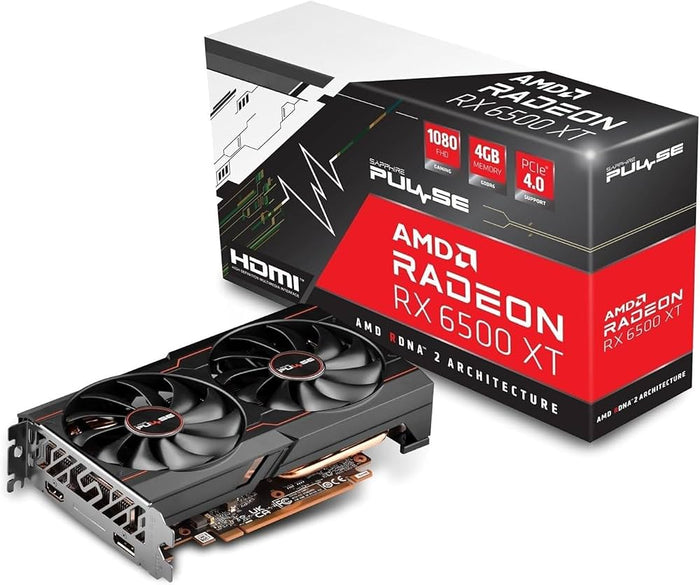
A dedicated GPU is recommended for PS2, GameCube, Wii and PS3 emulation if you want higher internal resolutions, enhanced textures, stable performance across more games or support for demanding shader effects. It also gives the PC more flexibility for modern PC games.
Do not choose a graphics card solely by its advertised VRAM. Emulator performance also depends on driver support, GPU architecture, CPU performance and the specific title being played. A balanced system with a strong CPU and appropriately matched GPU is usually better than pairing a premium graphics card with a weak processor.
What Is a Good Budget PC Build for Emulation?
A budget emulation PC should focus on a recent processor, 8GB or 16GB of RAM, an SSD and reliable power delivery. This type of system is ideal for classic consoles, PlayStation 1, Nintendo 64, Dreamcast and many handheld systems.
If you also want PS2, GameCube or Wii emulation, select a CPU with stronger single-core performance and consider a dedicated entry-level graphics card. This provides more room for resolution scaling without making the build unnecessarily expensive.
A budget build should not use an unreliable power supply or a very old processor simply to fit a larger GPU. Emulators can be sensitive to CPU performance, and older CPUs may create inconsistent frame pacing even when the graphics card appears powerful enough.
When choosing between a prebuilt PC and a custom build, compare the complete specification rather than focusing only on the processor or graphics card. Check the exact motherboard, power supply, cooling system, RAM configuration and SSD capacity before purchasing.
What Is a Balanced Emulation PC Build?
A balanced emulation PC is designed for multiple console generations rather than one specific emulator. It should include a modern 6-core CPU, 16GB RAM, an SSD and a mainstream dedicated GPU.
This configuration is suitable for retro systems, PSP, PS2, GameCube, Wii and many PS3 titles, depending on the game and emulator settings. It also works well as a general gaming PC for esports titles and other PC games.
For this class of build, spend more on the CPU than you would for a basic retro-only system. Choose the GPU according to your target output resolution, and leave room in the case and power supply for future upgrades.
A balanced build is often the best option for Indian buyers because it avoids paying for high-end hardware that older emulators cannot use effectively. It also offers a more practical upgrade path if you later add modern PC games, streaming or video recording.
How Can You Optimise a PC for Emulation?
Start by installing the latest stable version of the emulator and keeping graphics drivers updated. Emulator developers regularly improve compatibility, performance and game-specific fixes, so outdated software can create problems that hardware upgrades will not solve.
Use the emulator's recommended settings as a starting point. Increase internal resolution gradually, test one enhancement at a time and monitor frame pacing rather than judging performance only by average FPS.
Good airflow is important during long gaming sessions. Clean dust filters regularly, use a capable CPU cooler and configure case fans so that fresh air enters from the front or bottom and warm air exits through the rear or top.
If a game performs poorly, identify the bottleneck before changing parts. CPU utilisation, GPU utilisation, temperatures, shader compilation stutter and emulator-specific settings can all affect the result.
Prebuilt or Custom PC for Emulation: Which Is Better?
A custom PC gives you more control over the CPU, GPU, motherboard, power supply and upgrade path. It is useful when you already know which consoles and games you want to emulate and want to optimise the budget around those requirements.
A prebuilt PC can be more convenient for first-time buyers because it arrives assembled and tested. It may also offer better value when the seller has access to component bundles, but you should verify that it uses standard parts and clearly lists the power supply, RAM configuration and storage model.
For emulation, avoid vague listings that mention only “gaming PC” without naming the exact CPU, GPU, RAM and power supply. The emulator and target console generation should determine the parts, not the marketing label.
Frequently Asked Questions
What PC specs do I need to emulate PS3 games?
For PS3 emulation, use a modern 6-core or 8-core processor with strong single-core performance, 16GB of RAM, an SSD and a capable dedicated GPU. RPCS3 performance differs by game, so check the emulator's compatibility information for the specific titles you plan to play.
Is emulation more CPU or GPU intensive?
Emulation is usually more CPU-intensive because the processor handles instruction translation, timing and hardware simulation. The GPU becomes more important when using high internal resolutions, texture packs, anti-aliasing and shader effects.
Can a budget PC handle retro console emulation?
Yes, a budget PC with a modern entry-level processor, integrated graphics, 8GB of RAM and an SSD can handle many retro consoles. A dedicated GPU is not necessary for systems such as NES, SNES, Game Boy, PlayStation 1 and many Nintendo 64 workloads.
Explore StudBudPC’s [budget gaming PC builds] and choose a configuration based on the console generation and emulation performance you need.