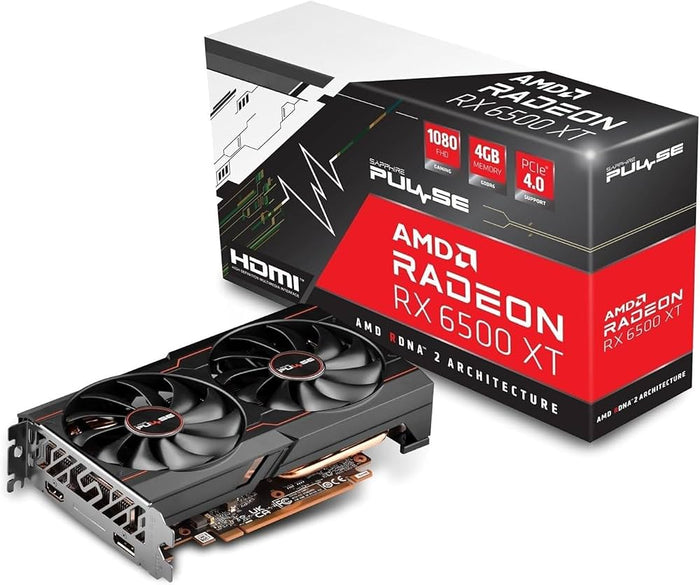

Effective PC cable management involves routing major cables behind the motherboard tray, grouping excess wiring inside the power supply shroud, and securing bundles using zip ties or velcro straps. Running cables through rubber grommets nearest to their headers minimizes visible wire clutter, improves case aesthetics, and makes future hardware upgrades drastically easier.
Why Cable Management Matters: Is It Just About Looks?
Cable management is often seen purely as an aesthetic choice for custom PCs with tempered glass side panels, but it plays a key functional role in your build.
-
Easier Maintenance and Upgrades: When cables are tucked away and neatly strapped, swapping a GPU, adding an M.2 SSD, or cleaning out dust filters takes minutes instead of requiring you to untangle a web of wires.
-
Reduced Dust Accumulation: Bunched-up cables hanging in front of intake fans act as physical dust traps. Dust settles quickly on chaotic wiring, which degrades cooling performance over time and requires more frequent cleaning.
-
Component Safety: Keeping loose cables tied down prevents them from sagging into fan blades. CPU cooler fans and GPU fans can easily be stalled or damaged by stray 8-pin or SATA power cables.
-
Airflow Optimization: While a few loose cables will not overheat a modern PC, dense clusters of unmanaged wires directly blocking front intake fans restrict ambient airflow to your CPU cooler and graphics card, raising system temperatures under heavy workloads.
Essential Cable Management Tools You Need Before Building
You do not need expensive specialized equipment to manage PC cables effectively. A few basic tools will help you achieve a clean, functional build layout.
| Tool | Primary Function | Best Used For |
| Velcro Straps | Reusable cable bundling | Main 24-pin ATX, EPS CPU, and PCIe power harnesses |
| Zip Ties / Cable Ties | Permanent, tight-space securing | Anchoring fan hub wires, front panel connectors, and rear tie-down points |
| Flush Cutters / Diagonal Pliers | Trimming excess zip tie length | Snipping zip ties flush without leaving sharp edges inside the case |
| Cable Combs | Holding individual cable strands parallel | Organizing aftermarket sleeved cable extensions for display builds |
| Adhesive Tie Mounts | Adding custom cable anchoring points | Budget cases lacking built-in rear motherboard tie-down loops |
Step-by-Step: How to Route PC Cables Like a Pro
Managing cables efficiently comes down to following a logical sequence while assembling your system.
Step 1: Install Power Supply and Route Major Cables
Mount your power supply unit with its cooling fan facing downward (if your case has a bottom dust vent). Before mounting the motherboard, route the 8-pin (or 4+4 pin) EPS CPU power cable through the cut-out at the top-left corner of the motherboard tray. This cut-out is often blocked once a large CPU cooler or motherboard is fully screwed into place.
Step 2: Connect Front Panel and Auxiliary Wiring
Install your motherboard and connect the case's front panel headers (power switch, reset switch, HD audio, and USB 3.0/Type-C). Route these wires directly through the bottom routing holes of the motherboard tray so they cover the shortest possible distance across the front side of the board.
Step 3: Run Main Power Connectors
Bring the thick 24-pin ATX motherboard power cable through the rubber grommet or side pass-through slot directly parallel to the socket. Next, pull the PCIe power cables (6+2 pin or 12VHPWR connector) through the cutout beneath the GPU slot or from the side grommet, keeping enough slack to connect smoothly to your graphics card without applying strain to the socket.
Step 4: Group and Strap Rear Cables
Flip the PC around to face the rear motherboard compartment. Group major thick cables into the main vertical channel provided by your case. Use velcro straps to hold the thick trunk together. Group smaller fan wires and SATA data cables separately, binding them to the built-in metal bridge loops using small zip ties. Snip the ends of all zip ties flush using diagonal cutters.
Cable Management Strategy: Budget Cases vs. Modern Mid-Towers
The difficulty of cable management depends heavily on your choice of PC case design and internal layout.
| Feature / Aspect | Budget PC Cases | Modern Mid-Tower Cases |
| Behind-Tray Clearance | Narrow space (10mm to 15mm) | Generous space (20mm to 30mm+) |
| PSU Shroud | Open basement or partial shroud | Full-length PSU shroud to hide excess cables |
| Routing Cut-Outs | Plain stamped steel cut-outs | Fitted rubber grommets to hide rear cut-out gaps |
| Cable Management Features | Basic stamped metal tie-points | Built-in velcro channels, tracks, and rear cover doors |
| Managing Unused Cables | Must be stuffed into empty drive bays | Tucked neatly inside the spacious PSU shroud |
Does Cable Management Actually Improve Airflow?
Cable management improves airflow by removing physical obstructions directly in front of intake and exhaust fans, ensuring cool air travels smoothly over the CPU heatsink and GPU fans. While loose cables tucked behind the motherboard tray do not affect cooling, large bundles hanging directly in the primary chamber impede air velocity and allow hot air to recirculate around vital components.
What Tools Do I Need for Cable Management?
The essential tools for cable management are velcro straps, plastic zip ties, and flush cutters or diagonal pliers to trim zip tie ends cleanly. Reusable velcro straps are best for primary power harnesses that might be adjusted during upgrades, while small zip ties work best for securing thin fan wires and front panel cables to rear tie-down loops.
Is a Modular PSU Necessary for Good Cable Management?
A modular PSU is not strictly necessary for good cable management, but it simplifies the process significantly. Full-modular and semi-modular power supplies allow you to attach only the cables your specific hardware requires, eliminating unused SATA or PCIe cables entirely. With a non-modular PSU, all unused cables must be bundled tightly and hidden away inside the case's power supply shroud or drive bays.
Ready to upgrade your build experience? Explore our range of clean-build accessories, custom sleeved cable kits, and modular power supplies at StudBudPC.