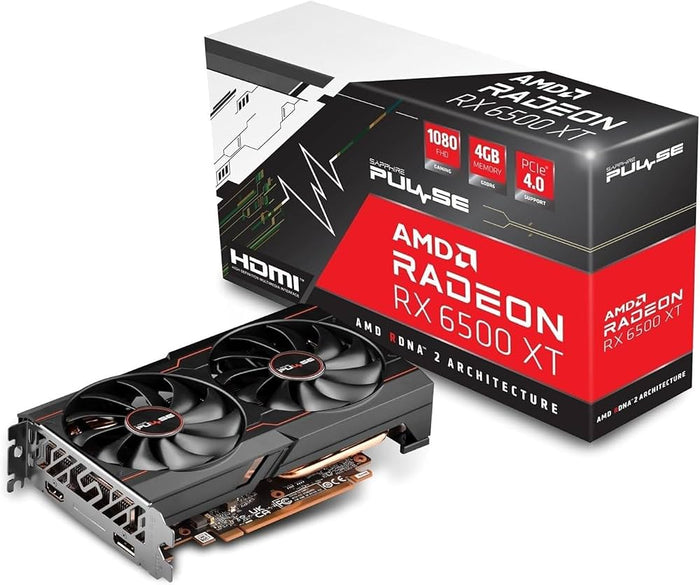

o choose between an upgrade entire pc vs one part, evaluate your system's core platform age. If your CPU socket, RAM generation (e.g., DDR3 or older DDR4 platforms), and motherboard chipset are over 5 years old, a single component upgrade like a modern graphics card will be heavily bottlenecked. In that scenario, a full platform rebuild (CPU, motherboard, RAM, and PSU) yields far better performance per rupee spent.
The Decision Framework: Upgrade One Part vs. Rebuild the Entire PC
Determining whether to replace a single component or scrap the entire core platform comes down to three factors: platform compatibility, system bottlenecks, and power supply headroom.
1. Platform Age & Socket Compatibility
Motherboard sockets dictate your CPU upgrade path. For example, Intel typically changes socket architectures every two generations, whereas AMD supports sockets like AM4 and AM5 across multiple generations. If you are on an older socket with no viable CPU upgrade path without changing the motherboard, swapping just the processor is impossible. Moving to a modern CPU requires a new motherboard and, frequently, a transition from DDR4 to DDR5 RAM.
2. Identifying Hardware Bottlenecks
A hardware bottleneck occurs when one slow component limits the maximum performance potential of a faster component. Pairing a modern, high-tier graphics card with a decade-old quad-core processor causes severe frame-time stuttering and low GPU utilization in modern titles. If monitoring tools show your CPU pegged at 100% usage while your GPU sits at 40–50% utilization during gaming, replacing the GPU alone will yield minimal FPS gains.
3. Power Supply (PSU) & Case Constraints
Modern components—especially higher-tier graphics cards—have significantly higher power demands and transient power spikes. Upgrading to a modern GPU often necessitates a higher wattage Power Supply Unit (PSU) with current ATX 3.0 / PCIe 5.0 standards (such as dedicated 12VHPWR / 12V-2x6 connectors). If a GPU upgrade requires a new PSU, a bigger PC case, and a CPU upgrade to prevent bottlenecks, you are already paying for a full pc rebuild vs upgrade parts project.
Upgrade Scenarios Compared: Single Component vs. Full Platform Swap
| Upgrade Scope | Best Suited For | Target Components Replaced | Typical Performance Impact |
| Single Part Upgrade | Systems 1–3 years old with a solid CPU base and adequate PSU headroom | GPU, RAM (e.g., 8GB to 16GB/32GB), or adding an NVMe SSD | High FPS jump in GPU-bound games; faster boot/load times |
| Mid-Tier Platform Refresh | Systems 3–4 years old on upgradeable socket platforms (e.g., AM4) | CPU drop-in upgrade (e.g., Ryzen 5000 series), extra RAM, GPU | Significant boost in 1% low FPS, smoother multitasking |
| Full PC Rebuild | Systems 5+ years old running legacy CPU sockets and outdated memory standards | CPU, Motherboard, RAM, GPU, PSU, and primary SSD | Complete system generational leap; supports latest display standards and storage speeds |
When Does a Single Component Upgrade Make Sense?
Swapping a single part is the most cost-effective route if your primary platform (motherboard, CPU, and RAM) is relatively modern and has plenty of remaining performance headroom.
-
Upgrading Storage (HDD to NVMe SSD): Replacing an old mechanical hard drive or a slow SATA SSD with a high-speed PCIe NVMe SSD provides an instant system responsiveness boost, eliminating long game loading screens and Windows boot delays without needing a system overhaul.
-
Expanding System Memory (RAM): Moving from 8GB to 16GB or 32GB of RAM prevents stuttering caused by memory swapping in modern AAA titles and background multitasking.
-
Drop-in Graphics Card Upgrade: If your existing processor is powerful enough to handle modern games and your power supply unit has sufficient wattage, swapping your old graphics card for a modern mid-range GPU gives an immediate bump in average frame rates and resolution capability.
When Should You Rebuild Your Entire PC Setup?
Piecemeal upgrades become a waste of money when compounding hardware limitations force you to replace almost every core component sequentially.
-
Your System Uses Outdated Memory Standards: If your PC still runs DDR3 or early slow DDR4 memory, transferring that RAM to a modern CPU/motherboard is impossible. Modern platforms require high-speed DDR4 or DDR5 RAM to operate.
-
Your Power Supply Unit is Old or Unrated: Aging, unrated, or low-tier PSUs lack the safety protections, efficiency, and cable configurations required for modern high-draw hardware, making them a safety risk for new components.
-
Multiple Failures Occur Simultaneously: When an out-of-warranty motherboard fails on an obsolete platform, sourcing a replacement board for an old CPU socket is often expensive and risky on the used market. Investing that money into a current-generation motherboard, CPU, and RAM bundle is far wiser for long-term reliability.
FAQ
Q: Is it cheaper to upgrade parts or build a whole new PC?
Upgrading a single part like the GPU or RAM is cheaper in the short term if your motherboard and CPU are relatively modern. However, if your system is over 5 years old, replacing individual components piecemeal often costs more over time because older parts demand cascading upgrades—such as needing a new motherboard, RAM, and power supply just to support a modern CPU or GPU properly.
Q: How do I know if my whole platform is outdated?
Your platform is outdated if your CPU socket no longer receives new processor releases, your motherboard does not support modern PCIe speeds or NVMe SSDs, or your system relies on obsolete RAM standards like DDR3. If your CPU remains at 100% usage and causes games to stutter regardless of how low you set the graphics settings, the underlying platform needs a full upgrade.
Q: What's the average lifespan of a full gaming PC build?
The average lifespan gaming pc build setup typically ranges from 4 to 6 years for smooth 1080p or 1440p gaming. While the hardware itself can function for 7 to 10 years without physical failure, mid-tier builds usually require a graphics card or memory refresh around year 3, and a complete platform rebuild by year 5 or 6 to keep up with the demands of modern game engines.
Planning a targeted component upgrade or ready to build a fresh current-gen rig? Explore custom upgrade bundles, components, and prebuilt gaming PCs at StudBudPC.