
To move a gaming PC safely, power down the system, switch off the PSU, and unplug all external cables. Unseat and remove heavy components—specifically thick GPUs (like triple-fan cards) and bulky dual-tower CPU air coolers—to prevent PCIe slot cracks and motherboard flex during transit. Transport the case lying flat on its back with the motherboard at the bottom.
How to Prepare Your PC for Transport Within the House or to a New Home
Moving a PC across the room requires a different level of care than hauling it across town. Short domestic moves usually allow you to leave parts mounted if you carry the tower carefully, while vehicle transit demands complete disassembly of heavy parts to counter road vibration and speed bumps.
Step 1: Shut down and disconnect properly
Shut down Windows completely—do not leave the system in Sleep or Hibernate mode, as sudden power cuts during move-prep can corrupt your SSD. Flip the rocker switch on the Power Supply Unit (PSU) to "0". Unplug the main power cord from the wall socket or UPS, then disconnect all peripheral cables (DisplayPort/HDMI, USB keyboard, mouse, audio jacks, and Ethernet). Bundle and label cables with velcro ties so reassembly takes minutes.
Step 2: Remove or secure heavy internal components
Modern graphics cards weigh over 1.5 kg. Leaving a thick graphics card plugged into a PCIe slot during transit creates a massive lever effect. A minor road bump generates enough force to snap the PCIe retention clip, crack the motherboard PCB, or snap the GPU connector interface entirely.
-
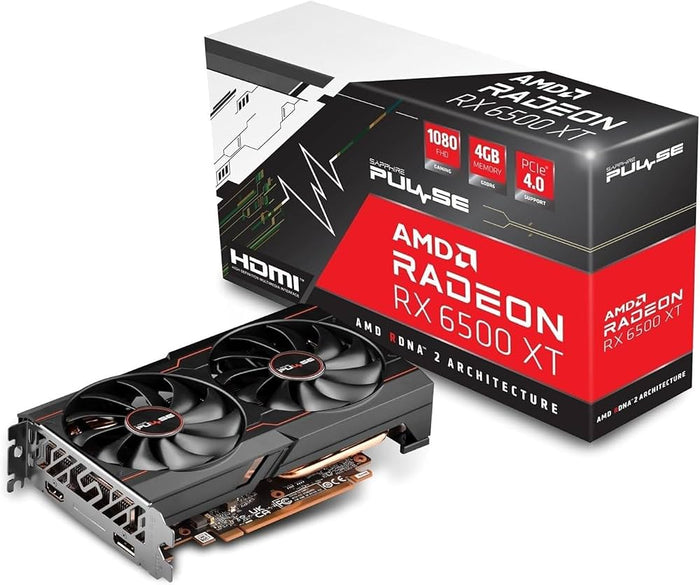
Graphics Cards: Always remove large dual-slot or triple-fan GPUs. Place the card inside an anti-static bag and pack it in its original box or bubble wrap. Small, low-profile GPUs can stay if you are moving the PC within the house by hand.
-
CPU Coolers: Large dual-tower air coolers exert heavy torque on the CPU socket area. If you are travelling by car or auto-rickshaw, dismount bulky air coolers and re-pack them. All-in-One (AIO) liquid coolers can stay mounted to the case, provided the radiator screws are tight.
-
Mechanical Hard Drives (HDDs): HDDs have physical spinning platters and read/write heads. Ensure they are screwed tightly into their drive bays to prevent head crashes caused by kinetic shocks.
Step 3: Protect glass panels and the outer chassis
Tempered glass side panels shatter easily under point-impact stress or torsion frame-twisting.
-
If you have the original chassis box with its styrofoam inserts, place the PC inside it.
-
If you threw the box away, wrap the glass panel in a thick fleece blanket or bubble wrap. Avoid using cling wrap directly on bare metal without padding, as it offers zero drop protection.
Should You Transport a PC Lying Flat or Upright?
The safest orientation depends entirely on whether internal components are still installed.
| Transport Method | Position | Why it Works / Primary Risk |
| All components installed | Lying Flat (Motherboard facing down) | Eliminates vertical leverage. Heavy air coolers and GPUs rest down against the board rather than pulling away from it. |
| GPU & Heavy Cooler Removed | Upright or Flat | Safe either way because remaining components (RAM, AIO, SSDs) carry low mass and sit flush to the motherboard. |
| Short Move (Room-to-Room) | Upright (Carried by hand) | Safe if held with two hands from the chassis base; do not lift the tower by plastic front bezels or top fan mesh. |
Never transport a fully assembled PC standing upright inside a moving vehicle. Road vibration will cause heavy graphics cards to bounce up and down, weakening solder joints under the GPU core.
Reconnecting and Post-Move Checklist for Your PC Setup
Once your PC reaches its new location, do not immediately hit the power button. Follow this systematic post-move checklist to ensure nothing short-circuits or overheats.
-
Let it acclimate: If you moved your PC from a hot car into an air-conditioned room, wait 20 minutes to clear any condensation buildup on metal surfaces before plugging it in.
-
Reinstall components correctly: Reseat the GPU firmly into the primary PCIe x16 slot until you hear the retention latch click shut. Secure the GPU bracket screws to the PCIe expansion slots on the case, and plug in the PCIe power cables until the latches lock.
-
Check cable seating: Inspect internal connections inside the case. Vibration can loosen 24-pin motherboard power connectors, 8-pin CPU power cables, SATA data drives, and front-panel headers.
-
Inspect fan blades: Spin all case fans, AIO pump fans, and GPU fans by hand to verify that loose internal wires aren't rubbing against fan blades.
-
Connect display cables to the GPU, not the motherboard: Ensure your DisplayPort or HDMI cable connects directly into the graphics card ports on the lower back panel. Plugging into the motherboard I/O panel bypasses your dedicated GPU and routes display to slow integrated graphics.
-
Use a surge protector or UPS: Connect your PC power cable to a reliable Line-Interactive UPS or surge protector to guard against voltage fluctuations and sudden power cuts common across Indian residential grids.
FAQ
Q: Should I remove my GPU before moving my PC?
Yes, you should remove your GPU if you are transporting your PC in a vehicle or shipping it. Modern GPUs are heavy enough to bend PCIe slots or crack motherboard PCBs when subjected to car bumps and vibrations. You can leave the GPU installed only if you are carrying the PC carefully by hand between rooms.
Q: Can I transport my PC lying flat?
Yes, transporting a PC lying flat—with the motherboard side facing the bottom—is the safest orientation if components remain installed. This ensures gravity pushes the GPU and CPU cooler flat against the motherboard socket instead of pulling downward on PCIe slots and mounting screws.
Q: What should I check after setting my PC back up?
Check that the GPU and RAM are clicked securely into their slots, all power supply cables are fully seated, and internal wires are clear of fan blades. Additionally, verify that your monitor cable is plugged into the GPU rather than the motherboard I/O panel, and run a hardware monitoring utility to verify CPU and GPU temperatures at idle.
Looking for secure PC packing accessories, anti-sag GPU supports, or upgrade-ready prebuilt gaming PCs built for safe transit? Explore StudBudPC's full catalog of custom components and prebuilts at studbudpc.