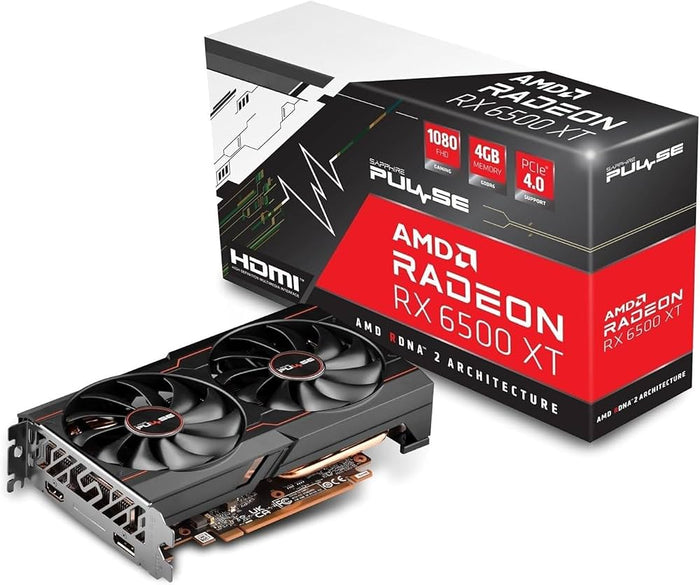

To safely buy a used graphics card in India, inspect the physical card for broken warranty seals and rust, verify the seller’s matching GST invoice, cross-check the serial number on the manufacturer portal, and run FurMark and 3DMark stress tests for 20 minutes to verify thermals and stability before transferring payment.
What Is the Ultimate Used GPU Inspection Checklist?
Buying a second-hand GPU in India can stretch your PC building budget significantly, but skipped physical and technical checks often lead to dead hardware. Before finalizing any transaction—whether through local marketplaces, WhatsApp deal groups, or forum listings—walk through this checklist step-by-step.
1. Physical Inspection & Aesthetics
-
Warranty/Tamper Seals: Look closely at the backplate screws. A broken or missing warranty sticker usually means the card was opened for re-pasting, liquid metal application, or fan repairs.
-
PCIe Slot & PCB Bending: Check the gold contact pins on the PCIe interface for deep scratches, burnt traces, or cracks along the main circuit board caused by GPU sag.
-
Heatsink Corrosion & Rust: Indian coastal regions (like Mumbai or Chennai) create severe salt/humidity oxidation. White powdery spots on the aluminum fins or rust on copper heatpipes point to humidity damage, which voids RMA servicing.
-
Oil/Thermal Pad Leakage: Dark, greasy residue spreading across the PCB indicates degraded thermal pads that have leaked silicone oil under heavy heat cycles.
2. Paperwork and Serial Numbers
-
Original GST Invoice: Always demand the original tax invoice. In India, service centers often require a GST bill with a matching serial number to process Return Merchandise Authorization (RMA) claims.
-
Matching Serial Tag: Verify that the serial number printed on the GPU's backplate tag matches the serial number written on the original box and the retail tax invoice.
How Do You Spot a GPU Used for Crypto Mining?
While many former mining cards still work, continuous 24/7 high-heat operation wears out cooling components and electrical delivery faster than standard gaming usage.
| Component / Feature | Standard Gaming Usage | Heavy Crypto Mining Usage |
| Cooling Fan Bearings | Smooth rotation; silent operation | Wobbling blades, mechanical clicking, or grinding noise |
| VRAM Thermal Pads | Soft, intact, non-discolored | Dry, brittle, cracked, or leaking dark silicone oil |
| Video BIOS (VBIOS) | Factory default gaming curves | Custom/flashed mining BIOS (modded memory timings) |
| Display Output Ports | Clean, dark corrosion-free ports | Dust accumulation or oxidation from open-bench mining |
To check for a custom mining VBIOS, download GPU-Z on your test system. Compare the listed "BIOS Version" against the official stock VBIOS records on TechPowerUp for that specific GPU model. If the version numbers or clock speeds don't match default factory specifications, the card was likely running a modified mining profile.
Can GPU Warranty Be Transferred to a Second Owner in India?
In India, officially transferring a graphics card warranty depends heavily on brand policies. Most manufacturers treat warranties as non-transferable contracts linked to the original buyer.
-
Serial-Based RMA Brands: Brands like Gigabyte and ASUS often process warranty claims based primarily on the serial number registered in their system or presented via a valid original GST invoice, regardless of whose name is printed on top.
-
Strict Invoice Brands: Brands like Zotac strictly enforce original-purchaser rules for their standard and extended 5-year warranties. If the original buyer did not register the extended warranty within 30 days of purchase, or if the name on the RMA ticket fails verification against the GST invoice, service centers can deny the claim.
Before buying, ask the seller for a PDF copy of the tax invoice and email or call the local RMA service hub (such as Kaizen Infoserve or Regenersis) to verify the remaining warranty period associated with that serial number.
What Tests Should You Run on a Used GPU Before Buying?
Never buy a pre-owned graphics card without seeing it run live on a bench setup or via a video call with live sensor monitoring overlay.
1. Cold Boot & Driver Installation
   └─ Boot system -> Check Device Manager for Code 43 errors -> Install clean NVIDIA/AMD drivers.

2. Software Identification (GPU-Z)
   └─ Cross-check core architecture, VRAM size, bus width, and VBIOS version against stock specs.

3. Thermal & Stress Testing (FurMark)
   └─ Run FurMark for 15-20 minutes -> Monitor GPU Core (keep under 83°C) & VRAM/Hotspot (keep under 95°C).

4. Real-World Gaming Benchmark (3DMark)
   └─ Run 3DMark Time Spy or Fire Strike loop -> Watch for screen flickering, green artifacts, or sudden crashes.
If the card flashes green/purple lines across the screen or crashes to a black screen during stress testing, the VRAM modules or power delivery components (VRMs) are failing.
Used GPUs vs. New Budget GPUs: Is the Risk Worth It?
Taking a chance on the second-hand market makes sense when targeting high-tier cards at cut-down costs, but budget buyers who need daily reliability may prefer factory-new alternatives.
| Factor | Buying Used Graphics Cards | Buying New Graphics Cards |
| Pricing / Value | Lower price per frame | Full retail pricing |
| Warranty Protection | Conditional / Limited / Non-transferable | 3 to 5 years brand-backed warranty |
| Lifespan Expectancy | Unknown (depends on past thermals/mining) | Full factory lifespan; unused components |
| Included Accessories | Often missing original box, anti-static bag, cables | Complete original packaging and accessories |
Frequently Asked Questions
How do I check if a used GPU was used for crypto mining?
Inspect the fan bearings for physical wobble or noise, check VRAM thermal pads for dark oil leaks or severe discoloration, and verify the VBIOS in GPU-Z against stock factory profiles. Open-bench mining rigs also tend to leave dust accumulation around the exposed rear board components.
Can GPU warranty be transferred to a second owner in India?
Most manufacturers state that warranties are non-transferable. However, many Indian RMA centers will service the card as long as you possess the original matching GST invoice and the physical serial number label remains intact.
What tests should I run on a used GPU before buying?
Run GPU-Z to verify hardware specifications and VBIOS authenticity. Follow up with a 15-to-20-minute FurMark stress test to monitor core and hotspot temperatures, then run a 3DMark benchmark or modern AAA game to check for visual artifacts and driver stability.
Ready to upgrade your gaming rig with guaranteed performance and full brand warranty support? Check out our latest lineup of prebuilt gaming PCs and modern graphics cards at StudBudPC today.