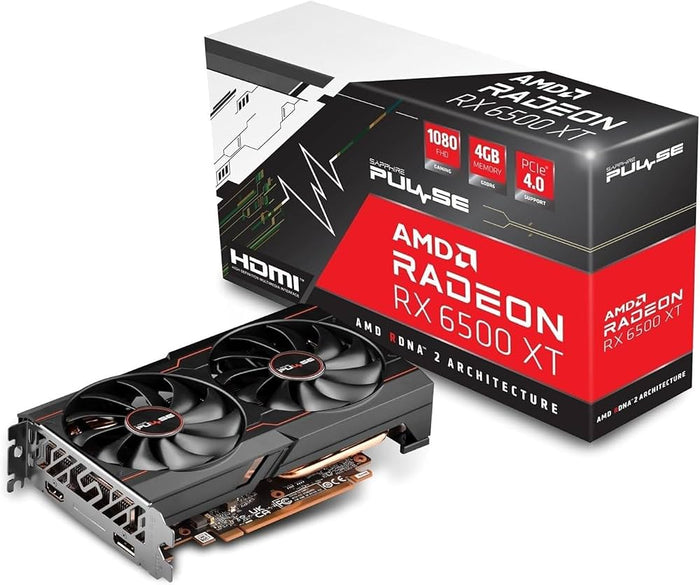

To run VR gaming on a PC in 2026, you need a system with at least an NVIDIA GeForce RTX 3060 or AMD Radeon RX 6600 GPU, a modern 6-core CPU (such as an Intel Core i5-12400F or AMD Ryzen 5 5600), 16GB of Dual-Channel RAM, and a fast M.2 NVMe SSD. Because VR headsets display two high-resolution screens simultaneously at high refresh rates (90Hz to 120Hz), graphical demands are significantly higher than standard 1080p gaming.
What are the minimum and recommended specs for PC VR in 2026?
PC VR gaming demands high, consistent frame rates. Dropping frames in VR causes visible stutter and motion sickness, making your GPU and CPU critical performance pillars.
Modern headsets like the Meta Quest 3, Meta Quest 3S, and PlayStation VR2 (via PC adapter) push combined resolutions close to or above 4K. Driving those displays smoothly requires robust system memory and storage bandwidth alongside raw graphics power.
| Component Tier | Minimum VR Specs (720p/90Hz Upscaled) | Recommended VR Specs (1440p+/90–120Hz Native) |
| Graphics Card (GPU) | NVIDIA RTX 3060 (12GB) / AMD RX 6600 (8GB) | NVIDIA RTX 4070 Super (12GB) / AMD RX 7800 XT (16GB) |
| Processor (CPU) | Intel Core i5-12400F / AMD Ryzen 5 5600 | Intel Core i5-14600KF / AMD Ryzen 7 7800X3D |
| System Memory (RAM) | 16GB DDR4 / DDR5 (Dual Channel) | 32GB DDR5 (Dual Channel) |
| System Storage | 512GB M.2 NVMe SSD | 1TB - 2TB PCIe 4.0 M.2 NVMe SSD |
| Connectivity | USB 3.2 Gen 1 (5Gbps) or Wi-Fi 5 | USB 3.2 Gen 2 (10Gbps) or Wi-Fi 6E / Wi-Fi 7 Router |
| Power Supply (PSU) | 550W 80+ Bronze | 750W 80+ Gold |
Why is the GPU the main bottleneck in VR gaming?
In standard PC gaming, your graphics card renders a single image frame on your monitor. In VR gaming, your GPU must render two distinct frames—one for each eye—from slightly different angles to create a 3D depth effect.
Furthermore, most VR headsets run at native display resolutions between 3.5K and 4.5K total pixel counts at refresh rates of 90Hz, 120Hz, or higher. If your GPU cannot sustain those target frame rates continuously, software asynchronous spacewarp (ASW) kicks in to artificially generate frames, which causes visual latency, artifacts, and eye strain. Dedicated VRAM is also vital; modern VR titles like Half-Life: Alyx, MS Flight Simulator, and Vertigo 2 easily exceed 8GB of VRAM utilization at high settings.
What VR headsets are available and PC-compatible in 2026?
The PC VR headset landscape centers primarily on hybrid standalone units that connect to your PC via a high-speed USB-C Link cable or dedicated high-speed Wi-Fi 6E networks.
-
Meta Quest 3 / Quest 3S: The standard for PC VR gaming. Works standalone or connected to a PC via Oculus Link/AirLink or Virtual Desktop. The Quest 3 features crisp pancake lenses, while the Quest 3S offers a lower entry cost using fresnel lenses.
-
PlayStation VR2 (with PC Adapter): Sony's PSVR2 connects to Windows PCs using the official Sony PC adapter. It features dual OLED HDR displays (2000x2040 per eye) running at 90Hz or 120Hz, offering deep black levels and vibrant contrast for PC VR titles.
-
Dedicated DisplayPort Headsets (e.g., HTC Vive Pro 2, Pimax): Geared toward simulation enthusiasts (flight sims, racing rigs) who want uncompressed video signals directly from their GPU output without wireless encoding overhead.
What is the realistic entry cost for a VR-ready PC in India?
Building a VR-ready PC in India requires balancing component costs against local import duties and taxes.
A budget-friendly VR rig built around an Intel i5 or Ryzen 5 processor paired with an RTX 3060 / RTX 4060 class GPU, 16GB RAM, and a 1TB SSD forms the starting tier for entry-level VR gaming. Moving up to an ideal "sweets-pot" VR system—featuring an RTX 4070 Super or RX 7800 XT GPU, 32GB DDR5 RAM, and an 800W power supply—ensures you can supersample higher resolutions on headsets like the Quest 3 without dropping frames. Keep in mind that VR headsets themselves require a separate investment alongside the PC tower.
Frequently Asked Questions
Q: What GPU do I need for VR gaming?
For entry-level VR gaming at 720p to 1080p render resolutions, an NVIDIA GeForce RTX 3060 (12GB) or AMD Radeon RX 6600 (8GB) is the baseline requirement. For optimal performance on modern headsets like the Quest 3 at 90Hz+ native resolutions, an NVIDIA RTX 4070 Super or AMD Radeon RX 7800 XT is strongly recommended.
Q: Is VR gaming worth it in 2026?
Yes, VR gaming is more refined in 2026 thanks to hybrid headsets like the Meta Quest 3 and Sony PSVR2 (via PC adapter) that offer sharp visual clarity without requiring multi-sensor room setups. Combined with mature PC VR software libraries and wirelessly streamed PCVR via Wi-Fi 6E, setting up and playing PC VR is faster and more accessible than ever before.
Q: Can a budget gaming PC handle VR?
A budget gaming PC can handle lighter VR titles (like Beat Saber, Superhot VR, and Supernatural) and older games at modest resolution settings. However, modern budget builds using entry-level integrated graphics or older GPUs with less than 6GB VRAM will struggle significantly with demanding AAA PC VR games.
Looking to build or upgrade a rig that handles virtual reality without stutter? Check out our VR-ready prebuilt PCs and dedicated GPU catalog at studbudpc.