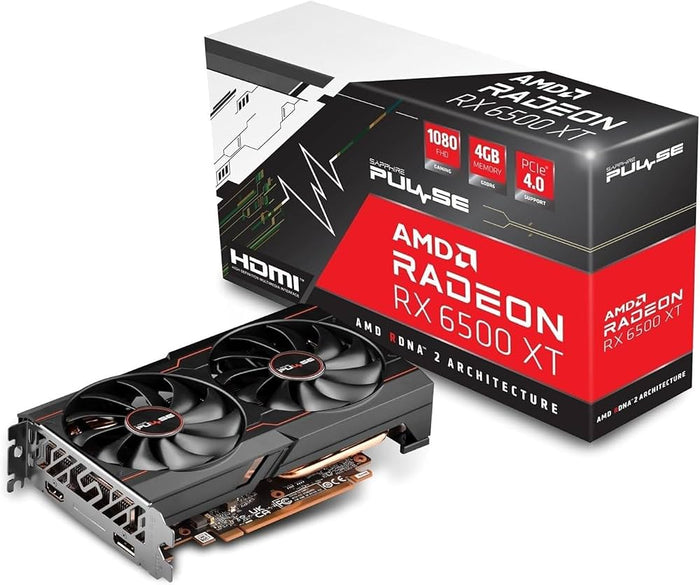

Direct-answer verdict: minimum and recommended specs for VR in 2026
For VR gaming on PC in 2026, aim for at least a recent mid‑range GPU, a modern 6‑core CPU and 16 GB RAM as a minimum. For a comfortable experience in newer titles, a high‑end GPU, 8‑core CPU and 32 GB RAM with a fast NVMe SSD is strongly recommended. The GPU is the main bottleneck; if your graphics card is more than a few generations old, expect to upgrade it before buying a VR headset.
What are the actual PC requirements for VR in 2026?
VR workloads are more demanding than standard gaming because they render two high‑resolution views at high refresh rates with low latency.
Minimum specs (entry VR)
-
GPU: Recent mid‑range GPU from the last 2–3 generations, capable of sustained high FPS at 1080p–1440p in normal games.
-
CPU: Modern 6‑core CPU from Intel or AMD, with strong single‑thread performance.
-
RAM: 16 GB DDR4/DDR5.
-
Storage: NVMe SSD for faster loading and smoother asset streaming.
-
Ports: Enough DisplayPort/HDMI and USB ports for your chosen headset.
This level can handle lighter VR titles, older games and lower settings in newer experiences.
Recommended specs (comfortable VR)
-
GPU: High‑end GPU from the current or previous generation, with ample VRAM for high‑resolution headsets.
-
CPU: 8‑core or better modern CPU for physics, AI and background tasks.
-
RAM: 32 GB for heavy mods, multitasking and future‑proofing.
-
Storage: Fast NVMe SSD with ample free space for large VR libraries.
-
USB and power: Sufficient USB bandwidth and a quality PSU to handle GPU spikes.
If you want to play the latest AAA VR titles at good settings and resolution, target the recommended tier.
Why is the GPU the main bottleneck for VR?
In VR, the GPU does far more work per frame compared to traditional gaming, making it the most critical component.
Key reasons:
-
Dual rendering: The GPU renders two slightly different views (one per eye) at high resolution, effectively increasing pixel count.
-
High refresh rates: Most VR headsets run at 90 Hz, 120 Hz or higher, requiring consistently high FPS to avoid motion sickness.
-
Low latency: VR demands very low motion‑to‑photon latency, so the GPU must maintain stable frame times without drops.
Even if your CPU and RAM are strong, an underpowered GPU will cause low FPS, stutter and discomfort in VR. For most buyers, the GPU decision determines whether VR is viable at all.
Which VR headsets work with PC, and what do they need?
Not all VR headsets are equal, and PC compatibility varies by model and connection type.
PC‑tethered headsets
-
Connection: Use DisplayPort and/or USB‑C directly to the PC.
-
Performance: Rely entirely on your PC’s GPU and CPU, so they scale with your hardware.
-
Examples: High‑resolution PC VR headsets from major brands that target sim racing, flight sims and AAA VR gaming.
These require a strong GPU and sufficient ports; check the manufacturer’s spec sheet for exact GPU recommendations.
Standalone headsets with PC link
-
Connection: Can work standalone or connect to PC via USB‑C or Wi‑Fi (Air Link / Virtual Desktop).
-
Performance: In standalone mode, they use their own mobile chipset; in PC link mode, they stream from your PC.
-
Tradeoffs: Wi‑Fi streaming needs a good router and 5 GHz network; tethered USB‑C gives more stable performance but limits movement.
For Indian buyers, standalone headsets with PC link offer flexibility, but you still need a capable PC for serious VR gaming.
What does a realistic VR entry cost look like in India?
VR is still a premium hobby in India, and total cost includes both headset and PC hardware.
Cost components
-
Headset: PC‑compatible VR headsets are priced significantly higher than basic peripherals, with high‑resolution models at the top end.
-
GPU upgrade: Many existing gaming PCs will need a GPU upgrade to meet recommended VR specs.
-
Peripherals and space: You may need extra USB cables, a better router for wireless PC VR, and enough clear space for safe movement.
When VR makes financial sense
-
You already own a strong gaming PC close to the recommended specs.
-
You plan to use VR regularly for sims, fitness, social VR and gaming, not just as a novelty.
-
You’re comfortable with the total cost of headset + potential PC upgrades.
If your PC is far below recommended specs and you’re unsure about long‑term usage, it’s better to upgrade your main rig first and treat VR as a later addition.
VR hardware requirements: quick reference
Use this table to decide whether your current PC is VR‑ready or what you need to upgrade first.
FAQ
Q: What GPU do I need for VR gaming?
You need at least a recent mid‑range GPU from the last 2–3 generations for entry‑level VR, and a high‑end current or previous‑gen GPU for comfortable performance in newer titles. The exact model depends on your headset resolution and the games you plan to play, but GPU is the first component to check and likely the first to upgrade.
Q: Is VR gaming worth it in 2026?
VR is worth it in 2026 if you have a capable PC, enough space and a genuine interest in sims, fitness, social VR and immersive gaming experiences. It’s less compelling as a one‑off purchase for casual users, given the hardware cost and setup requirements compared to traditional gaming.
Q: Can a budget gaming PC handle VR?
A budget gaming PC can handle light VR titles and older games if it has a decent mid‑range GPU, 16 GB RAM and a modern CPU, but it will struggle with newer, demanding VR experiences. For serious VR gaming, you’ll likely need to upgrade the GPU and possibly other components to reach recommended specs.
Start by checking your current rig against our GPU category, then compare upgrade paths in our budget build posts to see whether your PC is VR‑ready or what you should improve first before buying a headset.