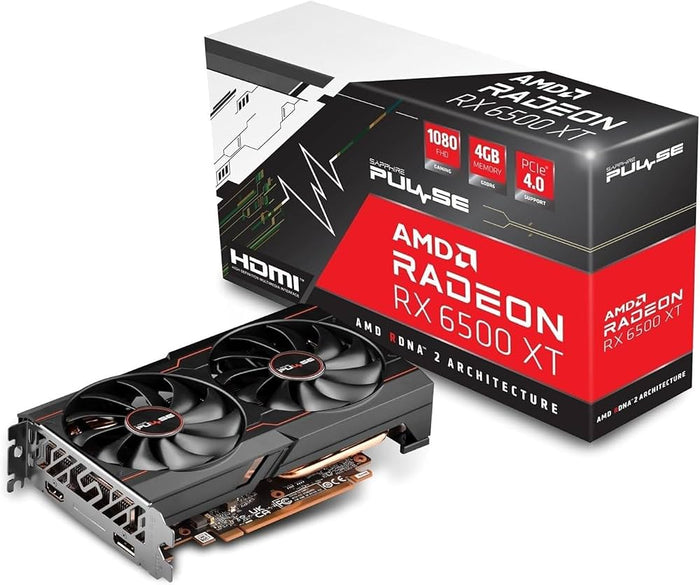

Building a PC with previous-generation parts is still a good strategy in 2026 when the components offer a meaningful discount without sacrificing the performance, warranty or upgrade path you need. Last-generation CPUs, GPUs and platforms can deliver excellent value, but buying old parts at nearly current-generation prices is rarely worthwhile.
Why Consider Previous-Generation PC Parts?
New hardware is not always the best choice for every budget. Previous-generation components often remain capable for gaming, productivity and general use, especially when the newer generation brings only a moderate performance improvement at a significantly higher price.
This strategy can be particularly useful in India, where component prices, import costs, stock levels and retailer margins can change quickly. A previous-generation processor or graphics card may be a better purchase if the current-generation equivalent is priced far above the performance level your games actually require.
The key is to compare the complete system rather than one component. A discounted CPU may require an older motherboard and memory platform, while a newer CPU may have a higher purchase price but a longer upgrade path.
When Does Buying Last-Gen Make Sense?
Buying last-gen CPU and GPU parts to save money makes sense when the older component still meets your performance target and the price difference is genuine. The discount should compensate for any reduction in efficiency, features, warranty duration or future upgrade support.
Previous-generation parts are often sensible for:
-
Budget gaming PCs.
-
1080p gaming systems.
-
Esports-focused builds.
-
Secondary or family PCs.
-
Workstations with predictable software requirements.
-
Buyers who upgrade infrequently.
-
Builds where the previous platform has widely available affordable parts.
A previous-generation component is less attractive when it costs almost the same as a newer model with better efficiency, features or support. Always compare current retail pricing rather than relying on the original launch position of the product.
How Should You Compare the Discount?
The correct comparison is not simply “old price versus new price.” Compare the total cost of the platform, including the CPU, motherboard, RAM, cooler, storage, power supply and graphics card.
For example, a cheaper previous-generation CPU may require a motherboard that is difficult to find or a memory kit that limits future upgrades. A newer platform may cost more initially but offer better availability and a clearer upgrade path.
Use this calculation:
Then compare the performance, features and expected usable life of both platforms. A component discount is only valuable if the complete build remains cheaper or delivers more performance for the same budget.
Do not assume that a large percentage discount automatically makes the older part better. Check whether the cheaper product also requires expensive accessories or compromises elsewhere in the build.
Which Previous-Generation Parts Are Usually Safe to Buy?
Previous-generation CPUs can remain excellent purchases when they provide enough gaming performance and are paired with affordable, reliable motherboards. Mid-range processors are often safer buys than very old high-end models because they may offer better efficiency and broader software support.
Previous-generation GPUs can also be good value, particularly when they support the display resolution and features you need. Check graphics memory capacity, hardware encoding, upscaling support, ray-tracing performance and driver support rather than comparing model names alone.
RAM and storage are generally easier to buy from a previous generation because they are less likely to become immediately unusable. However, motherboard compatibility and platform availability still matter.
Be more careful with old power supplies, used graphics cards and discontinued motherboards. These parts may have experienced long periods of use, storage issues or limited after-sales support.
Should You Buy a Previous-Generation CPU?
A previous-generation CPU is worth considering when it provides the required gaming or productivity performance at a clear discount. The processor should also be supported by a motherboard that is reasonably priced and easy to replace if necessary.
Compare single-core performance, core count, cache, power consumption and platform features. For gaming, the fastest CPU on paper is not always the best choice if the graphics card is the system’s main limitation.
A previous-generation CPU can be especially practical for a budget build using an affordable graphics card. Spending the savings on a stronger GPU, better SSD or higher-quality power supply may produce a better overall system.
However, avoid paying premium pricing for discontinued processors simply because they were once high-end. Market shortages can sometimes make older parts more expensive than newer alternatives.
Should You Buy a Previous-Generation GPU?
A previous-generation GPU can be a strong purchase if it delivers the required performance at a worthwhile discount. Check the exact card model, cooler design and warranty because different versions of the same GPU can have different temperatures, noise levels and dimensions.
Graphics cards also age according to features, not only raw performance. Consider hardware video encoding, upscaling technologies, ray tracing, display outputs and graphics memory before choosing an older model.
For a budget gaming PC, a previous-generation GPU may be a better choice than a newer entry-level card if it offers stronger raster performance at a similar total price. For a long-term high-resolution build, newer features and additional memory may be more valuable.
Do not select an older GPU solely because it has a higher model number or once occupied a premium position. Compare its current price and features with the newer alternatives available in your market.
Are Previous-Generation Parts Obsolete Faster?
Previous-generation parts do not become obsolete immediately when new hardware launches. Obsolescence depends on performance, software support, game requirements, compatibility and the tasks you perform.
A previous-generation CPU can remain useful for many years if it provides sufficient performance and the platform has reliable parts available. A GPU may feel outdated sooner if newer games require more graphics memory or support advanced rendering features more effectively.
The risk is higher when buying a component that is already several generations old. Such parts may have limited driver support, weaker efficiency, no current motherboard availability or reduced resale value.
The phrase “previous-gen parts obsolete faster” is therefore only partly accurate. Older hardware may have less future headroom, but a well-priced previous-generation part can still provide strong value for its intended workload.
How Does Platform Longevity Affect the Decision?
Platform longevity is one of the most important factors when comparing old and new hardware. A previous-generation CPU may be affordable, but the motherboard socket could have limited upgrade options or declining availability.
A newer platform may allow you to replace the CPU later without changing the motherboard and RAM. This can reduce the cost of a future upgrade, although the initial platform price may be higher.
Consider how often you upgrade:
A previous-generation platform can still be worthwhile when the upgrade path is not important to you. If you plan to upgrade regularly, platform support should be treated as part of the purchase price.
What About AM4 Versus AM5 for a Budget Build?
The AM4 and AM5 comparison is a useful example of the previous-generation strategy. AM4 systems can offer lower platform costs because compatible processors, motherboards and DDR4 memory are widely known and may be available at attractive prices.
AM5 provides a newer platform with different motherboard and memory requirements. It may cost more initially, but it can offer a more current foundation for future processor upgrades.
The right choice depends on the total price difference and your upgrade plans. Do not compare the CPU prices alone; include the motherboard, memory and cooler in the calculation.
Read the complete platform comparison before choosing between an AM4 budget build and a newer AM5 system.
What Are the Risks of Buying Older Stock?
Older stock may have been stored for an extended period, opened and returned, or handled through multiple distribution channels. This does not automatically make it defective, but the warranty and condition should be clear.
Motherboards are particularly important because their BIOS version may affect processor compatibility. A board that supports a CPU on paper may require a BIOS update before the system can boot.
Used graphics cards require additional checks, including operating condition, temperatures, fan noise, repair history and remaining warranty. Avoid assuming that a low price compensates for an unknown service history.
Before buying older parts, confirm:
-
Exact model number.
-
New, open-box or used condition.
-
Warranty duration and local service process.
-
Return and replacement policy.
-
Compatibility with the remaining parts.
-
Availability of replacement components.
-
Included accessories and mounting hardware.
A reliable seller should clearly identify the product condition and warranty. If those details are missing, the advertised discount may not justify the risk.
How Can You Avoid Overpaying for Previous-Gen Hardware?
Research the current price of both generations before deciding. Previous-generation products sometimes retain inflated pricing because buyers remember their original value or because remaining inventory is limited.
Compare multiple complete builds rather than individual parts. A new platform may become competitive once you include bundled motherboard pricing, memory costs, cooler compatibility and warranty coverage.
Avoid these common mistakes:
-
Buying old parts at launch-era pricing.
-
Choosing a discontinued platform without checking motherboard availability.
-
Ignoring power consumption and PSU requirements.
-
Selecting a used part without testing or warranty.
-
Comparing model names instead of real performance.
-
Assuming a higher-tier older card beats every newer card.
-
Sacrificing storage, PSU quality or cooling for a small CPU discount.
A good previous-generation deal should be obvious after comparing the complete specification and final build cost. If the saving is small, choose the newer platform for better support and flexibility.
When Should You Choose Current-Generation Parts Instead?
Choose current-generation parts when the price gap is small, the newer platform offers substantially better efficiency or you expect to upgrade later. Newer hardware may also provide better media engines, connectivity, driver support and compatibility with future software.
Current-generation components are often preferable for a premium gaming PC, workstation, streaming system or long-term build. They provide more remaining platform life and are usually easier to replace or resell.
The decision becomes simpler when the newer product improves several areas at once. If it is faster, more efficient, better supported and only slightly more expensive, the previous-generation option may not offer enough value.
Is Building on Previous-Gen Parts Still a Good Strategy?
Building a PC on previous-generation parts remains a good strategy in 2026 when the hardware is reliable, compatible and meaningfully cheaper. It works best for budget-conscious buyers who care about current performance more than having the newest platform.
The strategy becomes weak when old parts are priced close to newer alternatives or when the platform has poor availability. Always evaluate total build cost, warranty, power consumption, upgrade plans and the exact games or applications you will use.
For many buyers, a mixed-generation build is the most practical solution. You may use a previous-generation CPU or GPU where it offers strong value while choosing a current power supply, SSD, case or cooling system for better reliability and future flexibility.
Frequently Asked Questions
Is it smart to buy previous-generation PC parts to save money?
Yes, buying previous-generation PC parts can be smart when the discount is meaningful and the component still meets your performance needs. Compare the complete platform cost, warranty, power consumption, compatibility and upgrade path before purchasing.
It is not a good strategy when the older part costs nearly as much as a newer model. In that situation, current-generation hardware may provide better efficiency, support and long-term value.
How much cheaper are previous-generation parts usually?
There is no fixed discount because pricing depends on stock, demand, retailer offers, import costs and the product category. Some previous-generation parts may receive substantial reductions, while discontinued or scarce models can remain expensive.
Compare the actual current prices of complete builds rather than assuming that an older product is automatically cheaper. Include the motherboard, RAM, cooler, PSU and other required components in the calculation.
Will previous-generation parts become obsolete faster?
Previous-generation parts generally have less future headroom, but they do not become obsolete immediately after a new generation launches. Their useful life depends on gaming requirements, software support, features, memory capacity, driver updates and your performance expectations.
The risk is higher for hardware that is already several generations old or difficult to replace. A recent previous-generation component with strong performance and a good warranty can remain useful for many years.
Compare the AM4 vs AM5 guide and StudBudPC’s PC price-shock guide before choosing between current-generation and previous-generation parts.